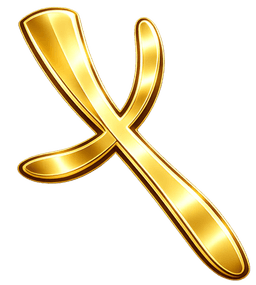
The Taw
The cross hidden in the last letter.
The last letter of the alphabet.
Taw (ת) is the twenty-second and final letter of the Hebrew alphabet. In the oldest forms of the script — paleo-Hebrew — it was not written as it is today. It was drawn as a simple crossed mark: an X, or a cross. The letter that closes the alphabet was, in its earliest shape, a cross.
To be marked is to belong.
Across Scripture, a mark is a sign of belonging — of being known, set apart, and kept. That is the resonance Xerish reaches for: not a brand stamped onto people, but a sign that those who give are part of something larger than themselves.

The cross, carried quietly.
The Xerish mark is the Taw. It carries the cross without shouting it — the way the early letter carried its shape quietly at the end of the alphabet. It is a fitting sign for a platform built to hold dear what God holds dear: the last letter, the finished word, the mark of those who belong.
To hold dear what God holds dear.— the meaning of “xerish”
Always the real letter.
On every Xerish surface, the Taw is rendered as the actual mark — never a generic plus sign or a decorative star standing in for it. The letter means too much to substitute.